
Meet the Founders
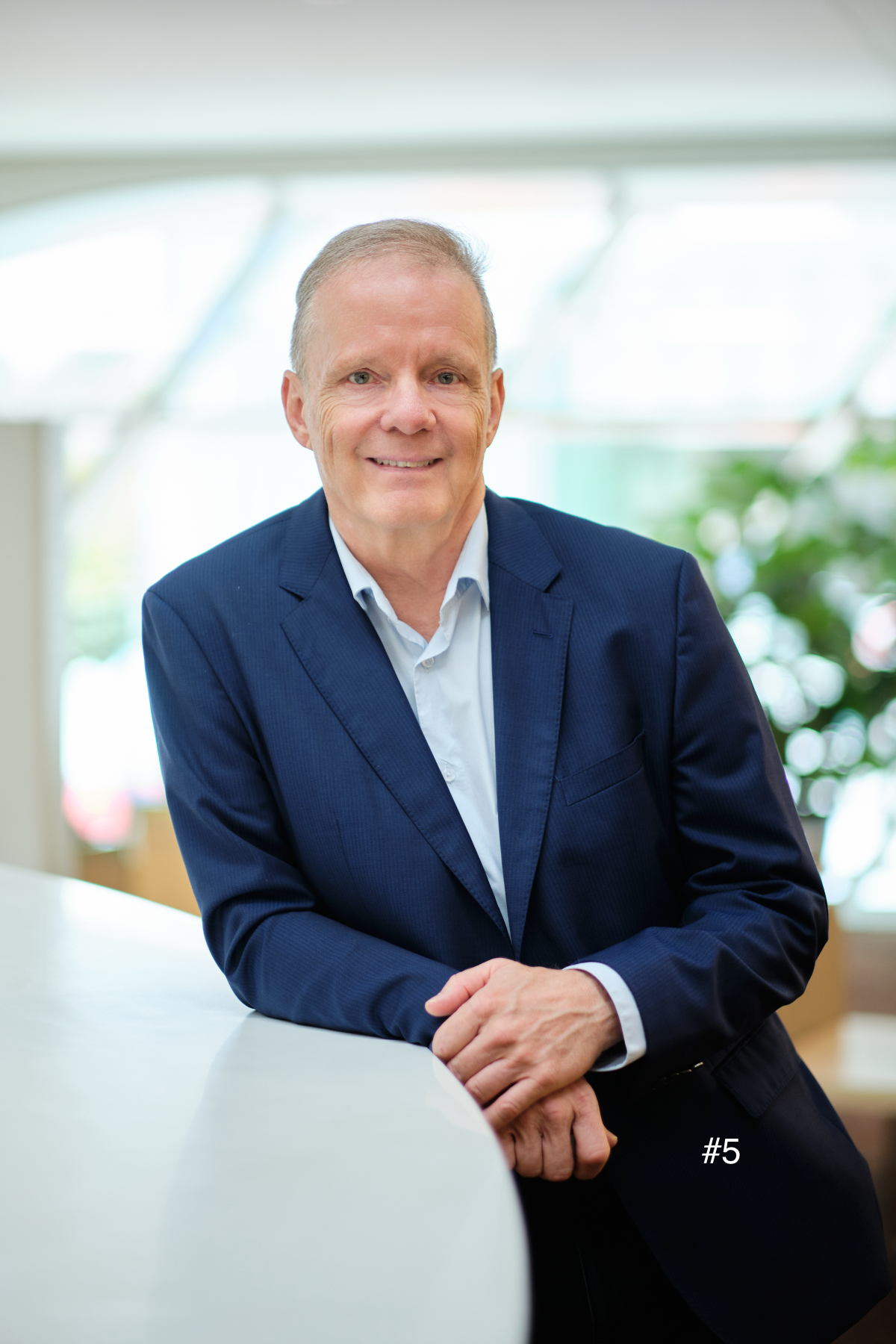
Chris Dollard
Founder & CEOI have spent most of my working life inside organizations at the moment their knowledge was about to walk out the door. Consolidations, modernizations, insourcing projects, acquisitions. The pattern was always the same. The documentation described how the place was designed to work. The people described how it actually worked. The gap between the two was where the real organization lived, and nobody had a way to capture it before it left.
RoleUp is my answer to that problem. We capture the judgment of an organization's most experienced people, the cues they notice, the options they never consider, the rules they know when to break, so their teams can draw on it without drawing on them. The method is not ours. It comes from thirty years of naturalistic decision making research and the applied cognitive task analysis work of Laura Militello and Gary Klein, who proved that expert judgment can be drawn out reliably by structured interview. What was never built was scale. Their methods lived in commissioned studies and consulting engagements, one expert at a time. Clara, our elicitation engine, runs those methods continuously and in plain conversation, and the organizational logic graph gives the captured judgment somewhere to live that is not a binder.
The way I think about it is this. The developed world already has the engine for the next economic transition. AI and automation are here. What it does not have is enough experienced people to run the machine, and the people it does have carry most of what they know in their heads. The transmission between the engine and the workforce is seized. Organizations cannot describe their own work to machines because the description was never written down. RoleUp is the oil. Once judgment capture is cheap and ambient rather than a study you commission, it gets applied everywhere something is stuck, and the adjacent uses find themselves.
That is where the architecture is heading. An organization that has captured the judgment of its people holds something more than a knowledge base. It holds the inputs to a working model of itself. Retire forty people over five years while automating six functions, and see what breaks before you do it. Merge five health authorities and find out where the practice contradicts the plan before the plan ships. Capture is what we do today. Simulation is the direction it is built to go, and the two compound: every conversation improves the model and every model reveals what to capture next.
My background is the reason I trust this thesis. I started as a technical writer at IBM and spent the next decade in learning and knowledge roles for Best Buy, FortisBC and Deloitte, including work on the BC Government's alternative service delivery program and the Provincial Health Services Authority's patient safety and learning system. I ran marketing and communications at MAKE Technologies, a legacy modernization company where I led the proposals that won provincial government contracts in Nova Scotia and New Brunswick. I co-founded 30dB Strategic Transformation, a modernization readiness practice whose core technique was mapping how business systems actually ran using non-IT methods, which in hindsight was RoleUp done by hand.
I then spent a decade building science companies. I co-founded MediJean BioSciences and led the build-out of a Health Canada licensed facility in Richmond, BC, and co-founded RISE Research, where as chief operating officer I developed a nanoemulsion product line sold in over a hundred stores in Los Angeles before the company was acquired and listed on the Canadian Securities Exchange. I served as future products director at JMCC Group, developing nano-based therapeutics for pain and neuropathy. Those years taught me what regulated industries demand of a product before they will trust it, which is why RoleUp's first pilots are in healthcare.
I hold the founding patent portfolio for RoleUp, four filings covering twelve modules from elicitation through the organizational logic graph to enterprise simulation. I live in Vancouver and I am building RoleUp with a team that has shipped enterprise software before, including Tyler Brown, whom I first worked alongside at MAKE Technologies twenty years ago.
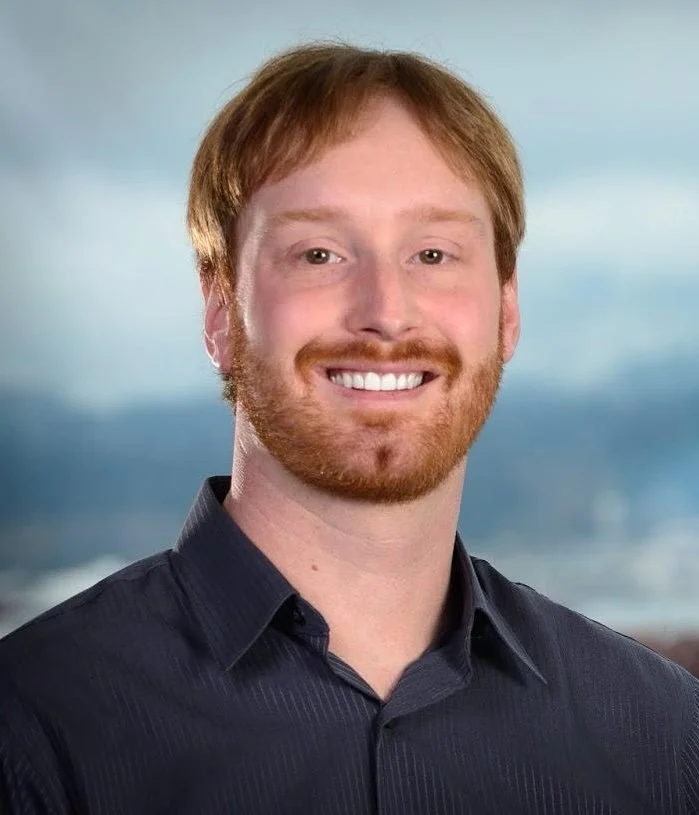
Tyler Brown
Co-Founder & CTOI build the systems that turn RoleUp's method into infrastructure. The science behind Clara has existed for thirty years. My job is to make it run at enterprise scale, inside organizations with real security, privacy and data residency obligations, without losing what makes the method work.
I came to this from two very different ends of enterprise software. I started at MAKE Technologies as a solutions architect, spending five years inside government and enterprise legacy modernization projects, the kind where a forty year old system runs a province's core services and nobody left on staff fully understands why it behaves the way it does. Dell acquired MAKE in 2012 and I continued as a senior solutions architect there. Those years taught me something the modernization industry still has not solved. You can migrate the code. You cannot migrate the people who knew why the code was written that way, and the projects that fail are the ones that discover this too late.
I then spent nine years at Hootsuite, most of them as senior software development manager, building and leading engineering teams on a platform serving millions of users across thousands of organizations. That is where I learned to run production systems at scale, to ship continuously without breaking what customers depend on, and to build teams that outlast any one person on them. Before Hootsuite I led development at Navarik, building software for commodity logistics operations where mistakes are measured in shiploads, and at Tagga Media on mobile marketing products.
I have spent my career on both sides of the knowledge problem RoleUp exists to solve. I have been the engineer trying to reconstruct what a departed expert knew, and I have been the manager watching a team's hard-won judgment leave with the people who held it.
At RoleUp I own the architecture. That means an elicitation engine that stays faithful to the cognitive task analysis methods it is built on while running as plain conversation, an organizational logic graph designed so that practitioners hold their own knowledge and only what they choose to release flows upward, and a platform built from the start for Canadian data residency and healthcare-grade governance, and ready to re-deploy to the United States and other international markets. I have kept the system model-agnostic so that RoleUp benefits from every advance in foundation models without depending on any one of them, and I have kept the engineering honest about what is durable, which is the methodology, the data model and the governance, rather than the orchestration that will be rebuilt every eighteen months.
Chris and I first worked together at MAKE nearly twenty years ago, which is one reason RoleUp started with a shared understanding of the problem rather than a pitch deck. I live in Canada and work remotely with the team.