
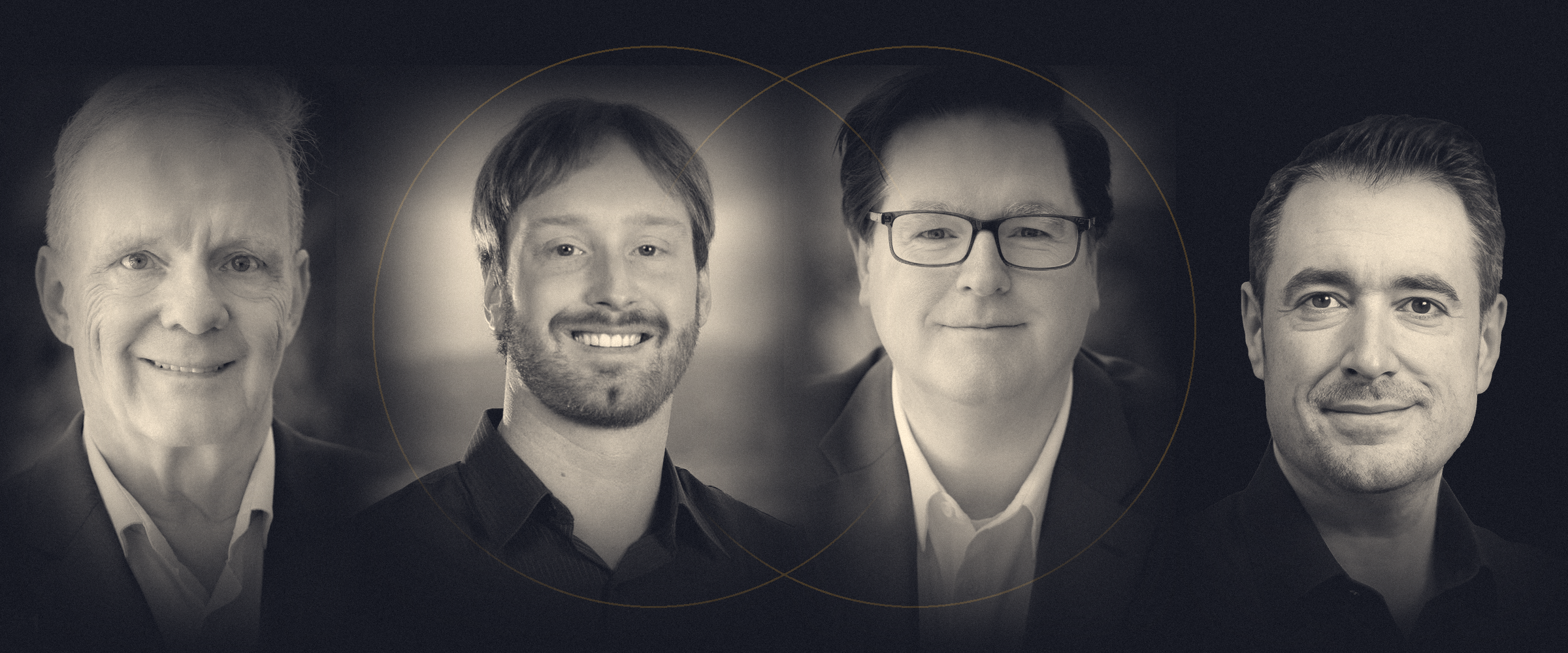
Leadership
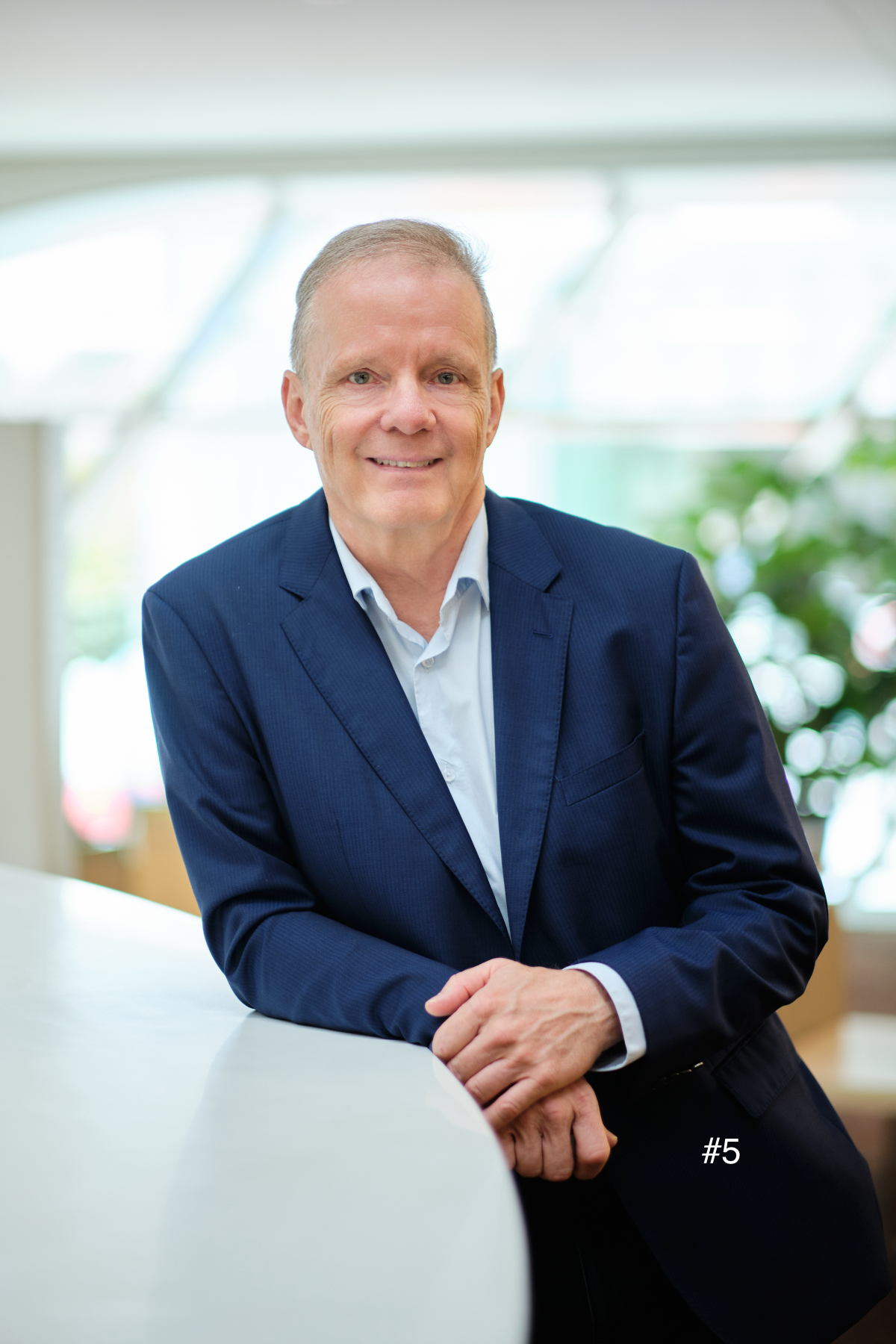
Chris Dollard
Founder & CEOI have spent most of my working life inside organizations at the moment their knowledge was about to walk out the door. Consolidations, modernizations, insourcing projects, acquisitions. The pattern was always the same. The documentation described how the place was designed to work. The people described how it actually worked. The gap between the two was where the real organization lived, and nobody had a way to capture it before it left.
RoleUp is my answer to that problem. We capture the judgment of an organization's most experienced people, the cues they notice, the options they never consider, the rules they know when to break, so their teams can draw on it without drawing on them. The method is not ours. It comes from thirty years of naturalistic decision making research and the applied cognitive task analysis work of Laura Militello and Gary Klein, who proved that expert judgment can be drawn out reliably by structured interview. What was never built was scale. Their methods lived in commissioned studies and consulting engagements, one expert at a time. Clara, our elicitation engine, runs those methods continuously and in plain conversation, and the organizational logic graph gives the captured judgment somewhere to live that is not a binder.
The way I think about it is this. The developed world already has the engine for the next economic transition. AI and automation are here. What it does not have is enough experienced people to run the machine, and the people it does have carry most of what they know in their heads. The transmission between the engine and the workforce is seized. Organizations cannot describe their own work to machines because the description was never written down. RoleUp is the oil. Once judgment capture is cheap and ambient rather than a study you commission, it gets applied everywhere something is stuck, and the adjacent uses find themselves.
That is where the architecture is heading. An organization that has captured the judgment of its people holds something more than a knowledge base. It holds the inputs to a working model of itself. Retire forty people over five years while automating six functions, and see what breaks before you do it. Merge five health authorities and find out where the practice contradicts the plan before the plan ships. Capture is what we do today. Simulation is the direction it is built to go, and the two compound: every conversation improves the model and every model reveals what to capture next.
My background is the reason I trust this thesis. I started as a technical writer at IBM and spent the next decade in learning and knowledge roles for Best Buy, FortisBC and Deloitte, including work on the BC Government's alternative service delivery program and the Provincial Health Services Authority's patient safety and learning system. I ran marketing and communications at MAKE Technologies, a legacy modernization company where I led the proposals that won provincial government contracts in Nova Scotia and New Brunswick. I co-founded 30dB Strategic Transformation, a modernization readiness practice whose core technique was mapping how business systems actually ran using non-IT methods, which in hindsight was RoleUp done by hand.
I then spent a decade building science companies. I co-founded MediJean BioSciences and led the build-out of a Health Canada licensed facility in Richmond, BC, and co-founded RISE Research, where as chief operating officer I developed a nanoemulsion product line sold in over a hundred stores in Los Angeles before the company was acquired and listed on the Canadian Securities Exchange. I served as future products director at JMCC Group, developing nano-based therapeutics for pain and neuropathy. Those years taught me what regulated industries demand of a product before they will trust it, which is why RoleUp's first pilots are in healthcare.
I hold the founding patent portfolio for RoleUp, four filings covering twelve modules from elicitation through the organizational logic graph to enterprise simulation. I live in Vancouver and I am building RoleUp with a team that has shipped enterprise software before, including Tyler Brown, whom I first worked alongside at MAKE Technologies twenty years ago.
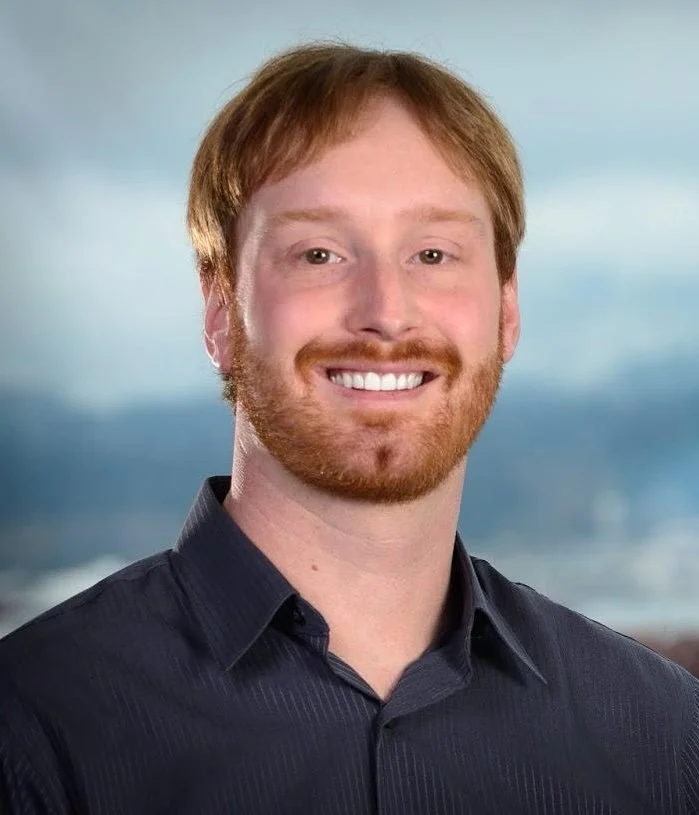
Tyler Brown
Co-Founder & CTOI build the systems that turn RoleUp's method into infrastructure. The science behind Clara has existed for thirty years. My job is to make it run at enterprise scale, inside organizations with real security, privacy and data residency obligations, without losing what makes the method work.
I came to this from two very different ends of enterprise software. I started at MAKE Technologies as a solutions architect, spending five years inside government and enterprise legacy modernization projects, the kind where a forty year old system runs a province's core services and nobody left on staff fully understands why it behaves the way it does. Dell acquired MAKE in 2012 and I continued as a senior solutions architect there. Those years taught me something the modernization industry still has not solved. You can migrate the code. You cannot migrate the people who knew why the code was written that way, and the projects that fail are the ones that discover this too late.
I then spent nine years at Hootsuite, most of them as senior software development manager, building and leading engineering teams on a platform serving millions of users across thousands of organizations. That is where I learned to run production systems at scale, to ship continuously without breaking what customers depend on, and to build teams that outlast any one person on them. Before Hootsuite I led development at Navarik, building software for commodity logistics operations where mistakes are measured in shiploads, and at Tagga Media on mobile marketing products.
I have spent my career on both sides of the knowledge problem RoleUp exists to solve. I have been the engineer trying to reconstruct what a departed expert knew, and I have been the manager watching a team's hard-won judgment leave with the people who held it.
At RoleUp I own the architecture. That means an elicitation engine that stays faithful to the cognitive task analysis methods it is built on while running as plain conversation, an organizational logic graph designed so that practitioners hold their own knowledge and only what they choose to release flows upward, and a platform built from the start for Canadian data residency and healthcare-grade governance, and ready to re-deploy to the United States and other international markets. I have kept the system model-agnostic so that RoleUp benefits from every advance in foundation models without depending on any one of them, and I have kept the engineering honest about what is durable, which is the methodology, the data model and the governance, rather than the orchestration that will be rebuilt every eighteen months.
Chris and I first worked together at MAKE nearly twenty years ago, which is one reason RoleUp started with a shared understanding of the problem rather than a pitch deck. I live in Canada and work remotely with the team.
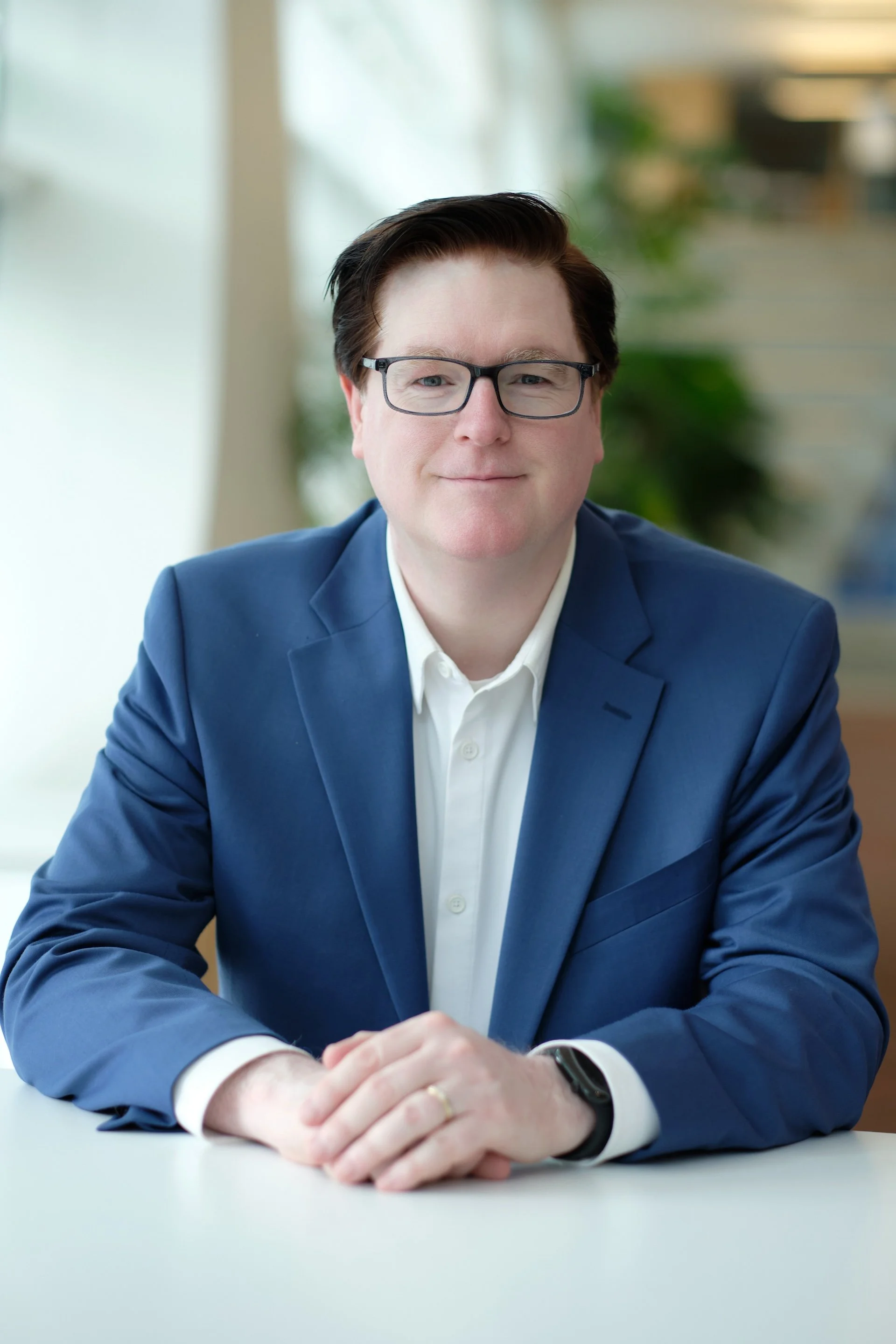
Bruce Davidson
VP of StrategyI spent more than twenty years running technology and data inside large regulated organizations, most recently in one of British Columbia's largest health authorities. I've been the accountable person who speaks to senior leadership when a system fails, when a privacy question piques a board member's interest, or when the only analyst that understood how the budgeting system integrates with the reporting system gives two weeks' notice and takes years of institutional memory with him. That last problem is the one I never solved. But RoleUp does.
That accountability came with real scale. Leading enterprise analytics platform architecture and data integration modernization, I carried multi-million-dollar annual responsibility for platform and innovation investment while driving the integration of AI and machine learning into live clinical workflows. For a region-wide workforce modernization initiative that delivered nineteen million dollars in savings in its first year, I owned change management from start to finish. Earlier in my career, I designed and implemented a custom-built enterprise budgeting platform that governed a multi-billion-dollar public-sector budget. Numerous large-team rebuilds were also mine to lead, including a data engineering and development group responsible for one of the largest public-sector analytics platforms in Western Canada, restoring delivery reliability and rebuilding trust with senior stakeholders.
Two things from that work shape what I do at RoleUp. The first is that I have led engineering teams integrating more than a hundred enterprise source systems into a governed data platform, which is the same discipline RoleUp applies to human knowledge. Capture it at the source, classify it, govern who sees what, and make it queryable, all within a secure environment. The second is that I have established the data governance and privacy rules that allow secure data sharing across organizations and jurisdictions in a regulated environment.
I am a certified change management leader. Judgment capture succeeds or fails on whether an experienced practitioner believes it is safe to share what they know, and on whether we understand how they think well enough to ask the right questions in the first place. The technology is the easier part.
The harder part is the accountability model, the consent and ownership design, and the conversation with a director of clinical operations about what changes when their best people's judgment becomes reachable by the whole team. RoleUp does not replace that judgment. It understands it, then empowers the people who hold it. I have had that conversation from the inside, and I know what a health executive needs to hear before they will commit.
At RoleUp I own strategy and our healthcare engagements. I designed the healthcare knowledge taxonomy and the privacy, accountability, and governance framework that underpin our first pilots. I work directly with our health system partners, and I am responsible for the case that turns a capture platform into something a board can fund. The framing I use with executives is simple. Your most experienced people are routing nodes, every decision passes through them, and the pressure on them is the pressure on your organization. RoleUp pulls load off those nodes. In healthcare, that is not an efficiency story. It is a continuity story, and it is the one I spent twenty years wishing someone would solve.
I live in the Vancouver area and work with health systems across British Columbia.
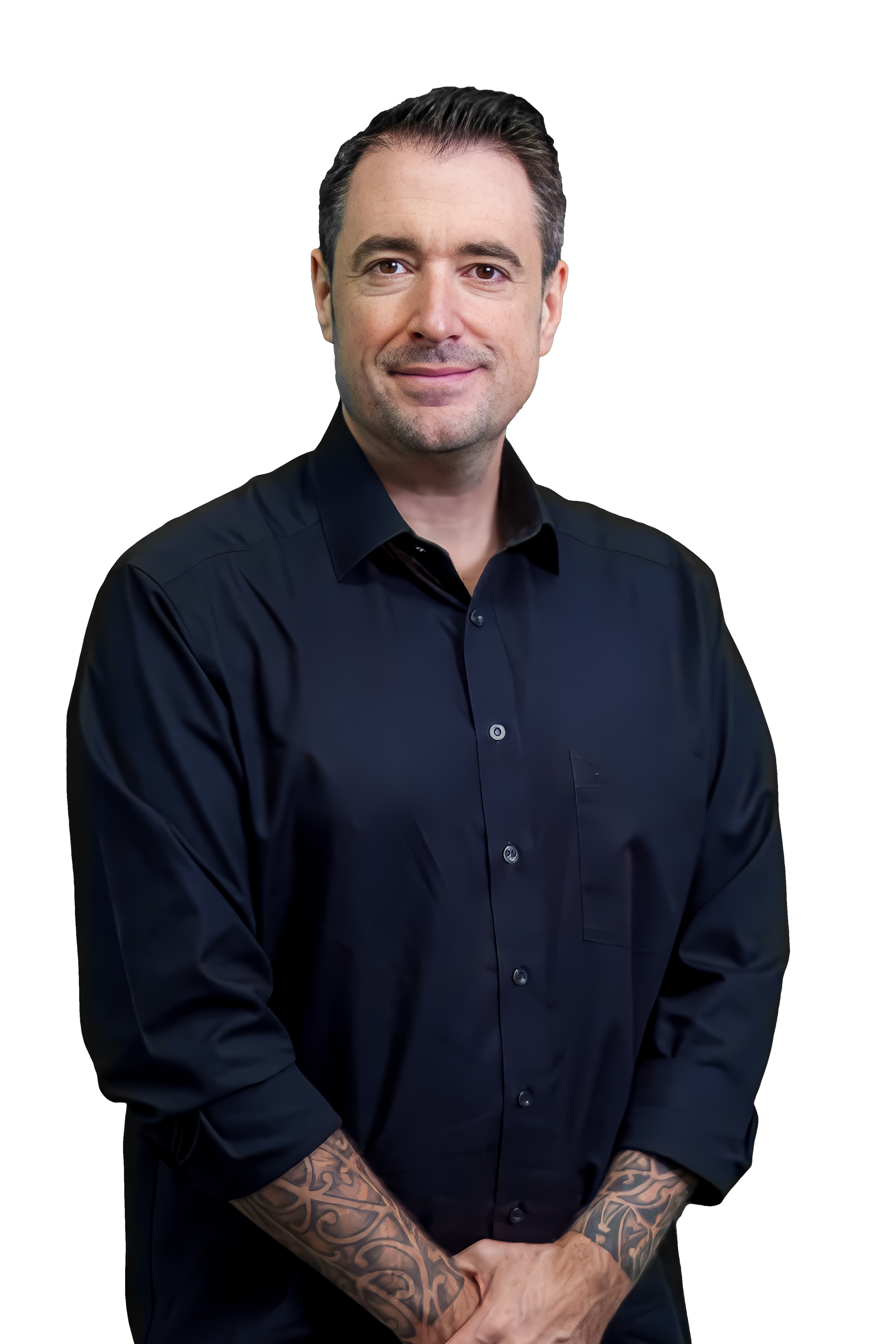
Michael Borell
VP of RevenueI have spent more than twenty years building revenue functions at technology companies under pressure to move fast and prove their model, and I have learned that the hardest part of commercial leadership is not selling. It is creating structure where little exists, so that a small team knows exactly what to do on Monday morning and a board knows exactly what to expect by quarter end.
That is the work I do at RoleUp.
My career developed from customer-facing and operational roles into VP sales, VP revenue, chief sales officer and chief operating officer responsibilities. Along the way I have built sales, partner management and customer success teams from the ground up, opened international markets and partner ecosystems, and put in place the forecasting, analytics and reporting that separate a revenue plan from a revenue story. I have worked directly with founders, boards and investors through funding rounds and periods of rapid change, which means I know what decision-ready commercial analysis looks like from the side of the table that has to act on it.
That work has taken me across North America, Europe, the Middle East and APAC, much of it with public-sector and enterprise stakeholders where procurement is slow, scrutiny is high and a product has to earn trust before it earns a contract. Those are the conditions RoleUp sells into. Health systems, regulated industries and large organizations facing consolidation or workforce transition do not buy on a demo. They buy on a credible path from pilot to adoption to measurable outcome, and building that path is what I have done repeatedly in markets that are far less forgiving than most.
What drew me to RoleUp is that the problem is one I have watched cost companies real money on every continent I have worked. Every organization I have helped scale had a handful of people whose judgment held the place together, and every one of them lost some of that judgment at exactly the wrong moment: during a merger, a funding round, a market entry or a leadership change. Nobody had a way to capture it. RoleUp does, and the commercial question is simply how fast we can put it in front of the organizations that need it most.
At RoleUp I lead go-to-market strategy and the investor process, and I am building the commercial structure the company needs to scale: the partner and channel strategy that gets RoleUp into the platforms enterprises already run on, the international expansion plan, and the reporting discipline that lets our leadership and investors see the business clearly. I work directly with Chris, Tyler and Bruce on revenue priorities, and my job is to make sure the science and the product turn into a company.
I hold executive education certificates from Harvard Business School and Harvard Law School. Outside the office I serve my community as a volunteer firefighter, which is its own lesson in how much depends on experienced people knowing what to do without being told.